Fugitive healing agents occupy a slim, misconstrued corner of the justice system. They are not policeman, yet they knock on doors at 3 a.m. They carry professional licenses in lots of states, yet they response to private clients. Their work sits at the crossway of agreement regulation, criminal procedure, and the untidy truths of human habits. When somebody avoids court after being launched on bond, the clock begins ticking for the bail bond business, and the person more than likely to wind that clock back is the fugitive healing agent.
I have sat across kitchen tables with agents who brought an investigator's perseverance and a social worker's tact. I have actually likewise seen careless arrests lead to claims and revoked licenses. This area awards preparation and discernment, and it penalizes bravado. To comprehend exactly how these agents function, you have to understand the bail system that creates the duty, the legal authority that governs their actions, and the craft they deploy to bring individuals back to court with very little harm.
The link between bail bonds and fugitive recovery
In most states, a defendant can safeguard release prior to trial by posting bail. When the offender can not afford the full amount, a commercial bail bonds firm action in. The company usually charges a nonrefundable costs, commonly 10 percent of the bond, and vows the complete bail to the court. The plan is a simple agreement on paper. The bail bondsman ensures the offender's appearance. If the defendant stops working to show up, the court orders the bond waived unless the person is generated within a statutory home window, generally 30 to 180 days depending on the jurisdiction and whether expansions are granted.
That forfeit threat is actual money. On a $50,000 bond, a default can get rid of a bail bondsman's make money from scores of regular cases. To mitigate that threat, bail bondsmans require security from defendants or their co-signers, often an auto title or a lien on a home. Collateral assists, but the very best hedge is returning the accused to court. That is the minute when the bondsman calls a fugitive recuperation agent.
The representative's authority is stemmed from contract law and differs by state. In most territories that allow industrial bond, the accused indications a bond arrangement giving the bail bondsman, and any individual the bail bondsman assigns, the right to collar and surrender the defendant if he goes against bond conditions. Courts have promoted this authority for greater than a century, though recent state laws have actually tightened it with training, licensing, and notice requirements.
When somebody skips court, bondsmen do not instantly unleash a representative. Numerous defaults are clerical mistakes or transportation concerns. A fast phone call can fix it. After a missed date is validated and a bench warrant concerns, the bail bondsman typically examines the offender's recent get in touches with. If household is uncooperative, or if there is a pattern of evasion, the file come down on an agent's desk.
A day's work that rarely looks like television
Television leans on cars and truck chases after, screaming, and quickly cuffs. The best fugitive healing representatives avoid sound. The actual work is two parts research, one part fieldcraft, and one component patience. The final portion is luck.
The study stage begins with the file: the bond application, ID copies, co-signer information, company contacts, recognized addresses, and vehicle details. An agent will certainly run public documents and proprietary databases to stitch with each other a timeline. Cell phone numbers connected to energy accounts, brand-new towing records, an abrupt uptick in web traffic tickets in a bordering area, these crumbs issue. If the skipped instance includes a nonviolent cost and a steady family, agents usually attempt persuasion before pressure. A telephone call that frameworks surrender as the least unpleasant course can settle a third of documents, often more.
When persuasion falls short, monitoring begins. Good agents map the routine. Individuals still require to acquire grocery stores, pick up youngsters, go to function. Representatives find out the accused's circle and watch for patterns. They coordinate with the bail bondsman and, when called for by legislation, alert neighborhood police before making contact.
Entry techniques rely on law, danger, and setting. In states that enable warrantless entrance into a fugitive's residence under bond agreement, representatives might still choose to wait outdoors rather than breach a door. A serene auto stop at dawn is generally more secure than a midnight knock that spooks a family. In apartment building and hotels, home managers can be allies. In many cases, a soft, polite strategy at the limit decreases stress, especially when member of the family remain in the home.
I once shadowed a professional representative working a failure to show up on a low-level burglary case. He invested 4 hours on a Sunday mid-day chatting with the offender's auntie. He fixed a damaged veranda light while they chatted. By Monday morning, the defendant strolled right into the bondsman's office alone. No chase, no cuffs, simply a contract that returning to court beats the option. That result never makes a sizzle reel, but it is what proficient job appears like many days.
What the law permits, and where lines get bright
Authority is the backbone of this work. Without it, you are just a civilian knocking on doors. With it, you still need to act within legal restrictions. The jumble of state regulation forms practice in crucial ways.
Some states need licensing, background checks, and accepted training that covers apprehension powers, use pressure, defensive methods, laws of arrest and search, and de-escalation. These states usually mandate that representatives bring identification, use garments that clearly determines their duty, and notify regional cops prior to any type of organized worry. A couple of states need representatives to acquire a court-endorsed duplicate of the bond or a qualified sworn statement from the bondsman for every recovery effort. Others prohibit representatives from bring guns unless they have different state permits.
Other states limit or outlaw business bail entirely. In those territories, there is no exclusive bond to implement, for that reason no exclusive fugitive healing authority. The state's police manage failings to appear.
Even in permissive states, the range of access and apprehension power has sides. Agents might command to enter the fugitive's residence, yet not a third party's home without approval or a law enforcement warrant. Misidentifying a house, entering without appropriate premises, or detaining a person who is not the called accused can produce civil liability and criminal direct exposure. Some states need that agents call local police instantly after a secure concern to confirm identity and transport, especially if the regional jail will not accept a private abandonment without police presence.
Use of pressure tracks basic protection and proportionality standards. Agents are allowed to safeguard themselves and regulate a resisting fugitive, however they are not police. Excessive force, sporting a weapon to force compliance when there is no hazard, or intimidating relative can finish an occupation. Skilled representatives normally stress containment and discussion over fight. If a situation reveals signs of high risk, such as gang association or a recorded background of resisting apprehension, agents frequently partner with local law enforcement as opposed to forge ahead. Several departments will certainly not work as a personal pick-up squad, however they will certainly respond to an ask for standby presence when there is a valid warrant and a credible security concern.
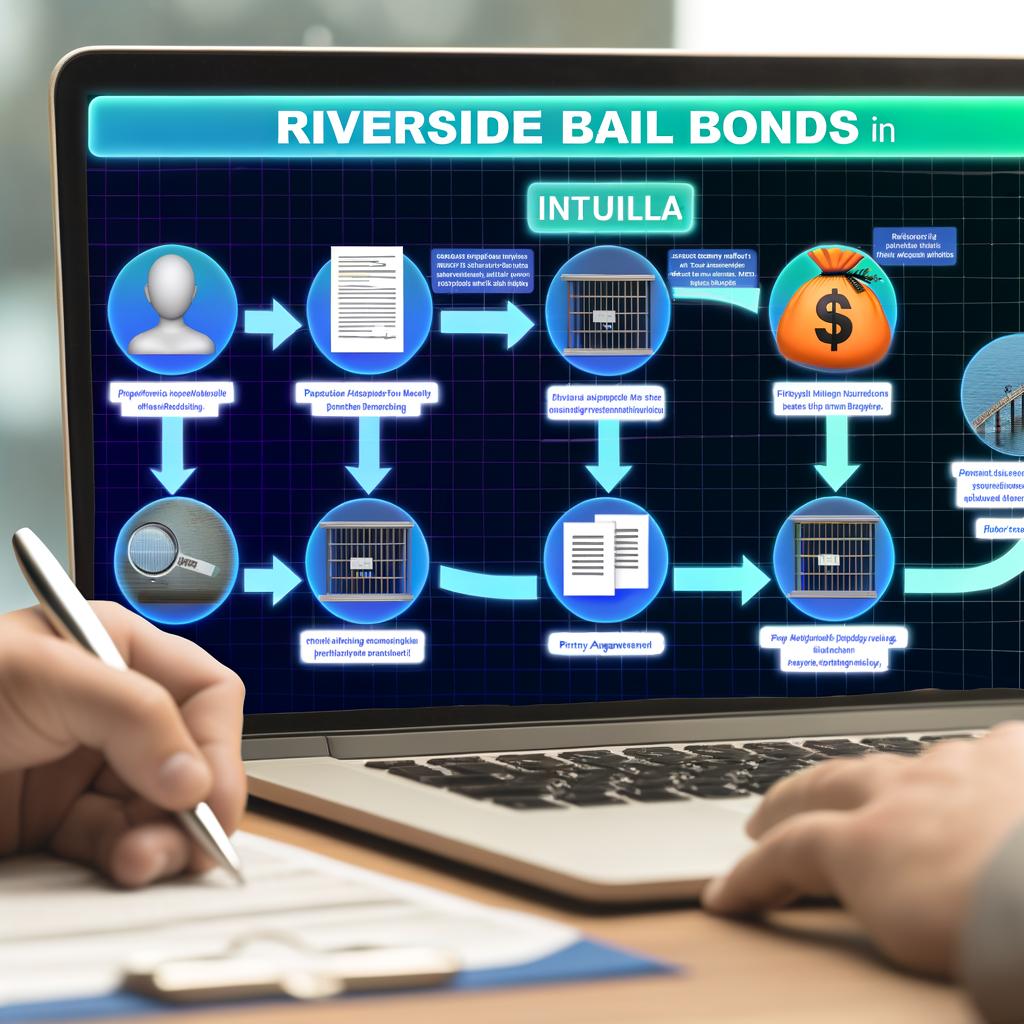
How instances integrated, action by step
The process repeats throughout data with small variants that rest on the person, the fee, and the area. At a high level, the series is predictable.
- Intake from the bail bondsman, evaluation of bond terms, and confirmation of the bench warrant status. Data gathering from public records, data sources, social media, and co-signer interviews. Risk evaluation and plan development, including lawful notifications and safety protocols. Contact attempts and negotiated surrender choices with time-bound offers. Field operations, surveillance, control, arrest, and transfer to custody.
Those 5 phases can stretch over a week for a light situation or several months for a hard target. An experienced representative deals with each phase as a possibility to deal with the instance early, inexpensively, and securely. If an offender has a steady work and a participating co-signer, a realistic plan to surrender after payday frequently works. If the defendant is couch surfing, impaired, or caring for children, the strategy must suit those facts or it will backfire.
Training, qualifications, and why personality matters
The popular picture of the work draws individuals who like adrenaline. The ones who last choose checklists. Training programs in states that certify agents typically run 16 to 80 hours, occasionally much more. The educational program covers legal foundations, recognizing files, report writing, radio self-control, and weapon security if allowed. Lots of representatives arrive from nearby fields, such as army authorities, personal examinations, or protection contracting. Those histories assist, yet they do not alternative to state-specific lawful training.
Temperament is the covert skill. You are asking someone who is currently nervous, often under the influence of stress or compounds, to trade a few hours of flexibility for a jail cell. A calm voice, clear explanations, and reputable guarantees concerning next steps can keep a scenario stable. Representatives who escalate rapidly melt bridges with households and draw in grievances. The most effective can switch over from tactful to definitive when risk spikes, after that back to relax when control is restored.
Paperwork is not attractive, but it matters. Reports document time, place, notifications, and any kind of residential property damages. Clean data protect the representative if a defense attorney affirms a prohibited access, and they aid the bail bondsman battle a forfeiture by showing diligent recuperation initiatives. In states that permit a remission of forfeiture after uneasiness, an in-depth timeline can save a bondsman tens of thousands of dollars.
Tools of the trade, from databases to door knockers
Gadgets show up in advertising sales brochures. Truth is a lot more mundane and extra reliable. The device that shuts instances frequently is a phone, made use of with discipline and compassion. Beyond that, the package is utilitarian.
Agents depend on subscription databases that aggregate energy records, personal bankruptcies, lorry registrations, and prior addresses. These services are not magic, however they tighten searches fast. Social media continues to be abundant ground. A labelled birthday image can position a fugitive in a specific city last weekend. Geo-tagged messages, much less common now, still surface area once in a while. Agents create sources inside towing lawns, https://remingtonsghs811.iamarrows.com/bail-bond-duties-for-family-members-members apartment building workplaces, and tiny employers. The assurance of a small recommendation cost or a future support opens up doors.
In the field, vehicles are maintained plain. Flashing lights invite trouble and lawful gray locations. Radios and hands-free headsets keep communication quiet. Restraints are typical. Firearms plans show state legislation and firm policy. Some representatives pick less-lethal tools where allowed, such as OC spray. Body video cameras are getting grip, not as a program of pressure, however as documents that de-escalation was tried and that the person was dealt with respectfully. When an issue lands, video can make the difference.
Coordination with police and the courts
Fugitive recovery representatives do not operate in a vacuum. Good relationships with neighborhood cops, sheriff's departments, and jail staff ease the handoff. When agents notify dispatch before a prepared pick-up, police officers can stay clear of misunderstandings if a next-door neighbor calls in a "man with a weapon" throughout an authorized apprehension. In some cities, a well-known representative can walk a participating accused right to the booking desk, cutting hours off the procedure and lowering the chance of friction on the street.
Courts likewise play a role. After a worry, the bail bondsman submits documents to allot or minimize the loss, affixing evidence of return to custody. Relying on neighborhood policies, judges might pay all or component of the waived bond if the defendant is given up within a specified period. Agents who maintain the timeline limited and the documentation strong improve the probabilities of remission. That win ripples. The bail bondsman maintains business solvent, which maintains the door open for other defendants to safeguard pretrial release.
Ethics, optics, and area impact
This job touches individuals at prone minutes. A botched entrance or a discourteous representative can damage depend on beyond a single instance. Moral technique starts with complying with the law, however it does not end there. Representatives encounter choices that are legal yet risky. Dragging a parent away in front of youngsters at college pick-up is hardly ever the smartest action. Waiting an hour, calling a co-signer, arranging child care, those are little, gentle actions that usually cause a much safer abandonment without jeopardizing the mission.
Racial and financial optics matter as well. The business bail sector has doubters who say that it outlaws poverty. Representatives can not repair architectural arguments, but they can run with transparency, explain alternatives plainly, and avoid needlessly extreme strategies that verify the worst perceptions. Some make a point to attach accuseds with their legal representative by phone before transport, so the individual knows what to expect initially look. Little politeness travel far.
Agents also determine when to say no. Not every file is audio. If the bondsman lacks correct documentation, if the address seems incorrect, or if the task goes across a state line without meeting that state's licensing regulations, stepping back secures business long-term. Ambition can be pricey. So can pride.
Money, danger, and why instances pay the way they do
Fees vary commonly based upon geography, danger, and speed. An uncomplicated pickup on a low bond, within the exact same area, might pay a couple of hundred dollars. A cross-state quest on a high bond can get to numerous thousand, plus costs. Some bondsmen deal a percentage of the bond, frequently 5 to 10 percent for difficult files, but lots of choose flat charges per apprehension to regulate price. Agents cover gas, database memberships, gear, and insurance. Liability insurance coverage is not cheap, and some providers will certainly not touch this kind of work. Reputational risk drives valuing as long as danger does.
Time kills earnings. If an agent spends two weeks on surveillance just to discover that a family member silently drove the defendant to court the day in the past, that is a hard lesson in interaction. The very best working connections in between bondsmen and representatives consist of limited responses loops. If the accused calls the bondsman at 8 p.m. to surrender tomorrow, the agent needs to understand right away to stop operations.
Edge cases that separate pros from amateurs
Every representative has a story regarding the weird case that required improvisation. The reflex to force a conventional playbook into an odd shape breaks points. 2 patterns repeat:
- The wrong-door trouble. Similar names, old addresses, and recycled home numbers can trick also skilled drivers. A regimented confirmation action before any entry reduces the probabilities. Knock-and-talk, requesting the individual by complete name and confirming with an image, typically protects against a bad error. If an access is legal, representatives still like authorization initially because permission takes a trip well in court. The medical and psychological wellness curveball. An accused in situation can escalate without warning. Tranquil interaction, a time out to allow a member of the family talk, and coordination with EMS when essential maintain people secure. Rescheduling an abandonment for the next early morning, with a ride arranged and a guarantee to stay clear of cuffing in front of youngsters, is not weak point. It is prudence.
One more side instance should have focus: out-of-state traveling. A bond arrangement might include a waiver of extradition, yet agents can not rely upon a generic provision when going across boundaries. Lots of states need neighborhood licensing to carry out recuperation work within their borders. Others enable participation if a neighborhood accredited representative takes the lead. Pros construct networks of vetted associates in neighboring states to comply without delay.
Where fugitive healing suits the bigger justice system
Supporters of business bail suggest that personal funding and private enforcement reduce pretrial detention rates without burdening taxpayers. Movie critics respond to that end results are unequal which ability to pay misshapes justice. Both can be true depending on the courthouse you stroll right into. Inside that discussion, fugitive recovery representatives resolve a particular problem. Courts have actually limited resources. Cops departments focus on terrible criminal activities. When a defendant with a pacifist charge misses court, an exclusive representative usually closes the loop faster than a warrant team can. The general public does not discover the thousands of silent go back to wardship that keep dockets moving.
There is room for reform without caricature. States that call for training, clear recognition, and clear coordination with law enforcement often tend to see less grievances. Bondsmen who connect proactively with offenders and offer organized pointers decrease failings to appear, which minimizes the need for recovery to begin with. Innovation aids. Text suggestions, trip coupons for court days, and quick check-ins by phone are inexpensive and reliable. Agents benefit from those investments, since less cases go bad, and those that do are much better documented.
For defendants and family members navigating a bond
People under bond are not abstractions. They are employees, moms and dads, and neighbors trying to manage court with life. When someone misses a day, panic surges. That is the moment to call the bondsman, not to conceal. Most bail bondsmans will certainly collaborate with an offender to reset a court appearance within the legal window, specifically if the person calls first. Waiting until an agent goes to the door diminishes options and enhances cost. Family members who co-signed should maintain records of new addresses and tasks. It is much better to be the family member who phones call to organize an abandonment than the one watching a late-night apprehension in the driveway.
On the other side, if a recuperation representative get in touches with a defendant, a calm discussion can form the next 1 day. Request recognition. Verify the agency with the bail bondsman. Demand that the surrender takes place at a time that avoids public humiliation when possible. Have a bag prepared with any kind of drug, a list of doctors, and a call for a lawyer. Agents who collaborate with dignity commonly respond in kind.
The quiet craft behind a loud reputation
The stereotype of the fugitive hunter, loud and negligent, persists. The actual work prefers peaceful operators that recognize just how contracts converge with criminal courts, that can check out a community from the very first turn off the highway, and that treat families like individuals as opposed to barriers. They link the economics of bail bonds to the sensible requirement to return offenders to court. The public hardly ever sees them since the very best outcomes are uneventful.
That is the mystery of fugitive recuperation. It shows up when it goes wrong, unseen when it goes right. The work sits there, behind-the-scenes, aiding a personal assurance to the court keep qualified. When the phone rings and a bail bondsman says a client missed, a representative develops a plan: legislation first, security always, persuasion before pressure. The majority of days, that suffices. On the days when it is not, training, perseverance, and judgment lug the rest.